San Antonio Riprap Cost: Estimate Loads from 10–100+ cu yd
O'Leary Development GroupOctober 4, 2026
Local riprap price ranges, cubic yard to ton conversions, and supplier ready quote fields to get accurate San Antonio delivery estimates.
San Antonio’s Go-To Material Supplier
Get a Free Per-Load Quote Today
Same-day delivery available · Transparent pricing · Licensed & insured
Riprap in San Antonio typically runs in the mid-range per ton once you factor stone size and haul distance, with full dump truck loads pricing out as a lump sum rather than a per-unit rate. The fastest way to lock in a real number for your site is to request a delivery quote from a local hauling partner that already runs routes in Bexar County, since quarry distance moves the price more than almost anything else.
TL;DR:
Riprap prices in San Antonio vary primarily based on stone size and haul distance, with larger or angular riprap costing more due to handling.
Full truckloads are usually priced as flat rates depending on capacity and site access, not per ton, making accurate measurement essential.
Including geotextile filter fabric with the stone can prevent soil migration and save time by avoiding multiple deliveries.
Estimating the project’s riprap needs requires converting area, thickness, and stone gradation into cubic yards and tons, plus an additional 10-15% for waste.
Proper planning of staging, clear delivery routes, and early quote comparisons help prevent delays and overspending on riprap projects.
Olearydevelopmentgroup
Get Riprap Delivered Across San Antonio
O’Leary Development Group delivers bulk materials for construction, landscaping, and industrial projects throughout San Antonio and surrounding cities.
San Antonio riprap price ranges by cubic yard, ton, and truckload
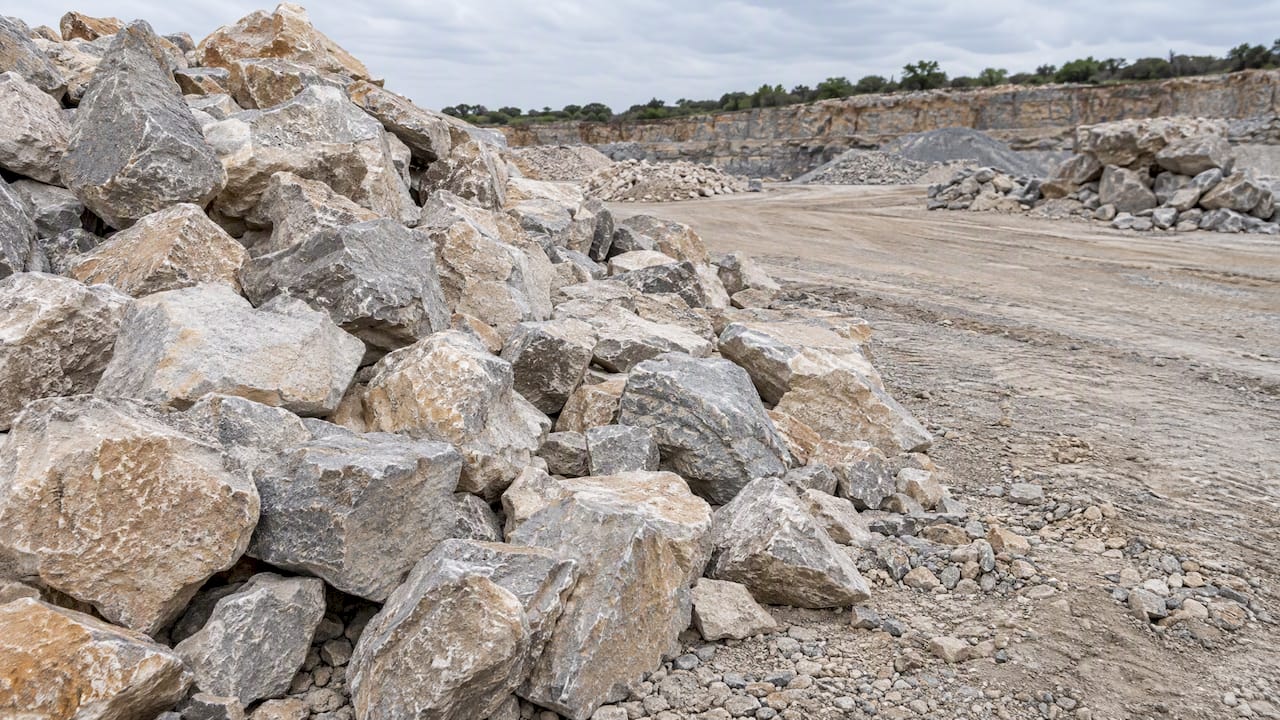
Riprap pricing in Bexar County is quoted three ways, and contractors who understand all three avoid getting a quote that cannot be compared apple to apple. Smaller decorative stone and lighter gradations sit at the lower end of the range, while heavier, larger riprap used for channel protection or culvert aprons costs more per ton because of handling and placement time. A full dump truck load is often priced as a flat rate rather than a per-ton figure, since the truck capacity and distance to the jobsite matter more than the stone itself once you’re buying by the load. TxDOT’s own bid-price tables for riprap items list pay quantities measured in cubic yards, which is the unit most municipal and highway contracts default to, so it pays to confirm early which unit your project uses.
A few reference points help frame a bid:
Light riprap (6 to 12 inch) for landscape slopes and drainage swales sits at the lower end of local per-ton pricing.
Heavier riprap (12 to 24 inch) used for culvert aprons or channel banks costs more per ton due to size and handling.
A standard dump truck load delivers a set volume for a flat per-load rate rather than a per-ton calculation.
Three quick scenarios show how this plays out. A small landscape slope needing about 10 cubic yards of 6 to 12 inch stone is usually a single truck load. A culvert apron requiring 25 to 30 cubic yards often needs two loads, split by stone size if fabric and bedding stone are ordered separately. A 200-foot creek bank at 2:1 slope with a 2-foot thickness can run well over 100 cubic yards, pushing the job into multiple truckloads and making it worth negotiating a batched delivery rate.
What changes the price: stone type, haul distance, and site conditions
Stone type and gradation are the first variable. Larger, more angular riprap used for erosion control costs more per ton than smaller decorative stone because it takes more energy to quarry, sort, and load. The second variable is haul distance. USACE cost guidance notes that riprap cost varies significantly by location and grading, and that rock prices correlate strongly with proximity to an approved quarry and available transport. Jobs farther from an active pit pay more in freight even when the stone itself is identical.
Beyond stone and distance, a few line items commonly get missed in a first quote:
Geotextile filter fabric, often priced separately from the stone itself.
Excavation or grading needed to prep the slope before placement.
Equipment time if a loader or excavator is required to place larger stone.
Staging space and site access, which affect how efficiently a truck can dump and leave.
Pro Tip:Ask your hauler to bundle filter fabric with the stone delivery. It avoids a second trip and a second invoice.
Ready to Order?
Call Now: 210-983-8005
Same-day delivery available on most orders in San Antonio and surrounding cities
Converting project dimensions into cubic yards, tons, and truckloads
Riprap is sold by weight or by volume depending on the supplier and the project type, so knowing both numbers protects you from an order that’s short or oversized. A rough rule of thumb: one cubic yard of riprap weighs more than a cubic yard of topsoil or sand because of the stone’s density, which is why heavier gradations are often sold by the ton while lighter landscape stone is sold by the yard.
Measure the area to cover in square feet (length times width of the slope or bank).
Multiply square footage by the planned thickness in feet to get cubic feet, then divide by 27 to get cubic yards.
Add 10 to 15% for waste, settling, and uneven subgrade before finalizing the order.
Convert cubic yards to tons using your supplier’s conversion factor for the specific stone size you’re ordering.
Divide total tons or cubic yards by your truck’s rated capacity to estimate the number of loads needed.
A 100-foot by 10 foot bank at 1.5 feet thick comes to 1,500 cubic feet, or about 56 cubic yards before waste.
Delivery minimums, truck types, and common surcharges in Bexar County
Most San Antonio riprap deliveries move on standard dump trucks, with per-load pricing shaped by distance, stone weight, and access rather than a flat citywide rate. Dump truck hauling services in the area typically quote by the load once you specify material and jobsite address, which is faster than itemizing by the ton for smaller projects.
A few surcharges show up often and are worth asking about before you book:
Tight access or narrow driveways that slow down the dump and extend the truck’s time on site.
Wait time if the crew isn’t ready to direct the drop when the truck arrives.
After-hours or weekend delivery windows outside standard routes.
Small or partial loads that don’t fill the truck’s capacity.
Pro Tip:Clear a straight shot to the dump point before the truck arrives. It shaves real time off the load and keeps you off the wait-time clock.
Riprap sizing, filter fabric, and the specs that govern civil projects
Stone size and layer thickness should always trace back to project drawings, not a general rule, but a few baselines are common across San Antonio civil and drainage work. USACE guidance recommends installing riprap on bank slopes of 2:1 or flatter, sizing the stone to resist expected flow or wave action, and placing geotextile filter fabric beneath the stone to keep soil from migrating up through the rock layer over time.
Filter fabric goes down first, directly against the subgrade, before any stone is placed.
Layer thickness is typically specified as a multiple of the largest stone dimension in the gradation.
On TxDOT work in the San Antonio district, Item 432 in the 2024 Standard Specifications and the SAT Designers Reference Guide govern measurement, payment, and section detail. Always confirm against the current engineer drawings before ordering.
Getting a quote: what to hand your supplier
A fast, accurate quote depends on giving your supplier the full picture up front rather than trading emails back and forth.
Provide the jobsite address, linear footage, slope ratio, and target stone size.
State the planned layer thickness and whether filter fabric is included in scope.
Give a delivery time window and note any access constraints like gate codes or narrow lanes.
Ask about minimum load size, offload method, and whether staging fees apply.
Confirm invoicing terms and request proof of insurance before the truck is scheduled.
When comparing quotes side by side, make sure every bid uses the same unit (cubic yards or tons, not a mix), includes fabric if your project needs it, and quotes the same stone gradation.
A contractor’s view on what actually slows riprap jobs down
The riprap jobs that run over budget almost never fail because of stone pricing. They fail because someone under-ordered quantity, forgot filter fabric until the truck was already on site, or didn’t clear staging space before delivery. Batching multiple deliveries into one scheduled window, or setting up a standing contractor account with a local hauler like those offering construction site restroom trailer rental Houston, cuts down on the back-and-forth that eats a week of lead time. A supplier that’s licensed, insured, and runs GPS-tracked trucks isn’t a luxury on a civil job. It’s the difference between a delivery window you can plan around and one you’re guessing at.
— BRIAN
Schedule Delivery in Minutes
Get Your Free Quote Today
Tell us your location, access, and estimated yardage — we’ll handle the rest
Local riprap delivery through O’Leary Development Group
If you need riprap on a San Antonio jobsite without chasing down a quarry contact yourself, O’Leary Development Group runs bulk material delivery and dump truck hauling across the area, including landscape rock and aggregate hauling for contractors who need stone sized and staged correctly the first time.
You can request quotes online to get pricing without a phone tag session.
Use of GPS-tracked trucks provides a real delivery window instead of a vague estimate.
Account features can include invoicing options suitable for ongoing projects.
Licensed and insured operations help ensure coverage on commercial and municipal sites.
Pricing depends heavily on stone size and haul distance from the nearest quarry, with heavier gradations costing more per ton than lighter landscape stone. Request a quote with your exact stone size and jobsite address for an accurate number, since haul distance is often the biggest price driver.
What size riprap do I need for erosion control?
Stone size should match the expected flow or wave energy on the slope, and USACE guidance recommends installing on slopes of 2:1 or flatter with filter fabric beneath the stone. Always confirm the exact gradation against your project’s engineer drawings before ordering.
Do I need filter fabric under riprap?
Yes, geotextile filter fabric is standard practice beneath riprap to prevent soil migration through the stone layer over time, according to USACE shoreline protection guidance. It should be placed directly against the subgrade before any stone goes down.
Does TxDOT require a specific riprap spec in San Antonio?
TxDOT projects in the San Antonio district follow Item 432 in the 2024 Standard Specifications, along with the SAT Designers Reference Guide for typical sections and filter requirements. Confirm current measurement and payment units with your project engineer before placing an order.
Can O’Leary Development Group deliver riprap for a commercial project?
O’Leary Development Group offers landscape rock delivery and dump truck hauling for contractors and developers across the San Antonio area, with online quotes and contractor account options. Request a quote through their service page with your stone size and jobsite details for a delivery estimate.