O'Leary Development GroupJune 15, 2026Updated August 1, 2026
Maximize your project’s efficiency by learning essential tips for accurately estimating fill dirt quantity. Ensure optimal material use for successful outcomes.
San Antonio’s Go-To Material Supplier
Get a Free Per-Load Quote Today
Same-day delivery available · Transparent pricing · Licensed & insured
How much Fill Dirt do i Need
How Much Fill Dirt Do I Need: Calculate Volume and Plan Delivery Accurately
When it comes to construction or landscaping projects, knowing how much fill dirt you need is crucial for both budget management and logistical planning. Fill dirt is commonly used for various applications, including land leveling and creating solid bases for structures. This guide will help you understand the necessary calculations for estimating your fill dirt needs, ensuring that your project runs smoothly and effectively without over- or under-estimating material requirements. We will explore how to calculate volume accurately, compare different types of fill dirt, understand delivery logistics including dump truck sizes, and provide clear guidelines for estimating costs and requesting quotes.
How Do I Calculate the Volume of Fill Dirt Required?
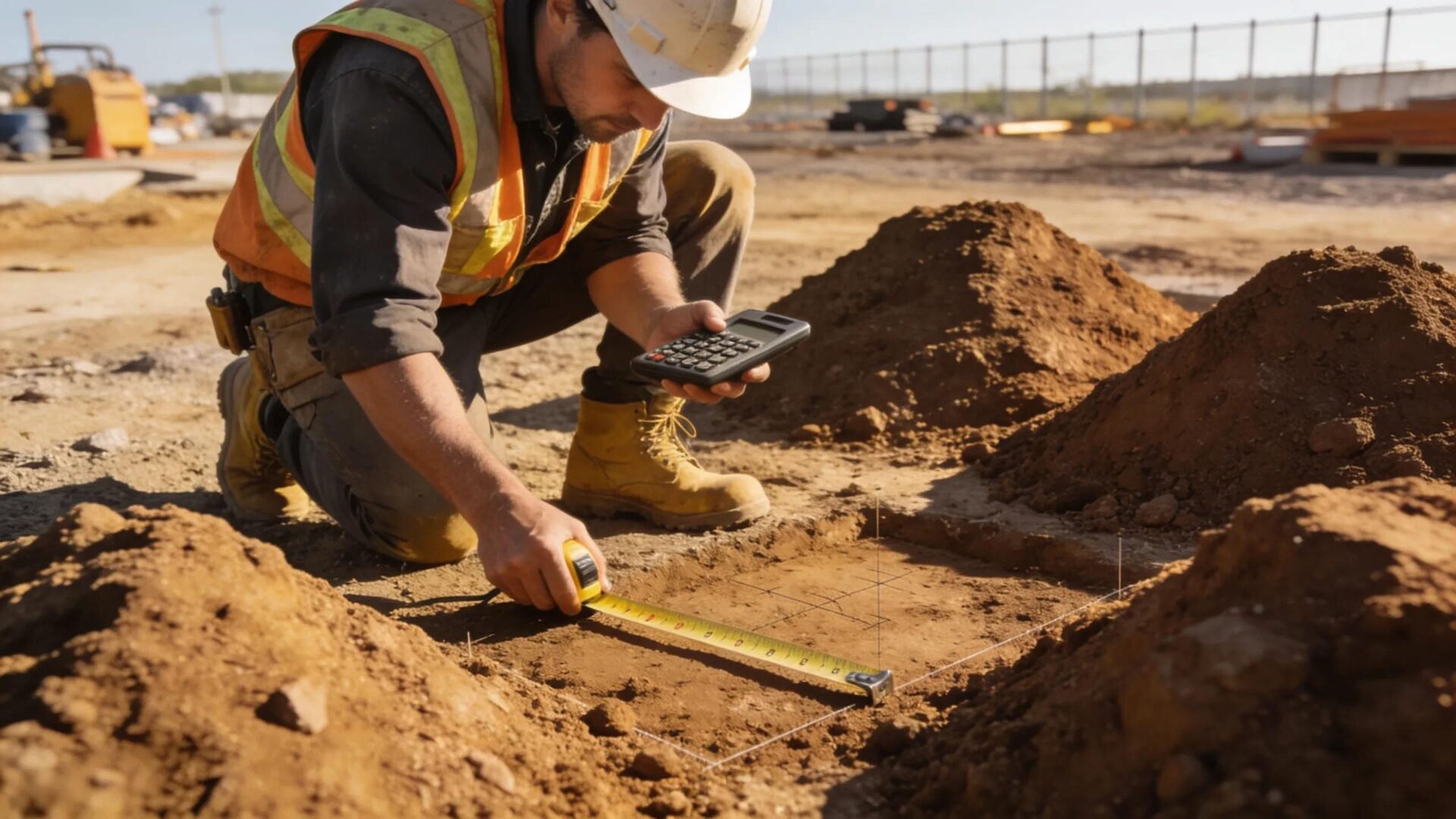
Determining the volume of fill dirt you need involves straightforward calculations based on the dimensions of the area you intend to fill. This volume is typically measured in cubic yards, which is essential for planning both the quantity of dirt required and the cost implications. Most often, you can use basic formulas to find the necessary volume, where you multiply the area of the space by the height you wish to fill it.
What Formula Do I Use to Measure Fill Dirt Volume?
To calculate the volume of fill dirt required accurately, you can use the following formula:
Measure Length, Width, and Height: Determine the dimensions of the area (in feet).
Calculate Volume in Cubic Feet: Multiply these dimensions (Length × Width × Height).
Convert to Cubic Yards: Since fill dirt is often sold by the cubic yard, divide the cubic feet calculation by 27 (because there are 27 cubic feet in a cubic yard).
For example, if you have a space that measures 10 feet in length, 5 feet in width, and 3 feet in height, the calculation would be:
Then convert to cubic yards:
Including a waste factor of around 10-15% is advisable to ensure you have enough material after compaction and settling.
How Can I Convert Measurements to Cubic Yards Effectively?
Converting measurements to cubic yards is essential for evaluating fill dirt needs in construction. Here’s a simple method to follow:
Calculate the volume in cubic feet using the standard formula.
Use the conversion factor of 27: Since 1 cubic yard equals 27 cubic feet, divide your total cubic feet by 27 to find the cubic yards.
Consider the Waste Factor: It’s common practice to add an extra 10-15% for waste. Multiply your cubic yard total by 1.10 or 1.15 for the final estimate.
If your original calculation gives you 5.56 cubic yards, after adjusting for a 10% waste factor, you would need approximately 6.1 cubic yards to be safe.
What Are the Types and Quality Standards of Fill Dirt Available?
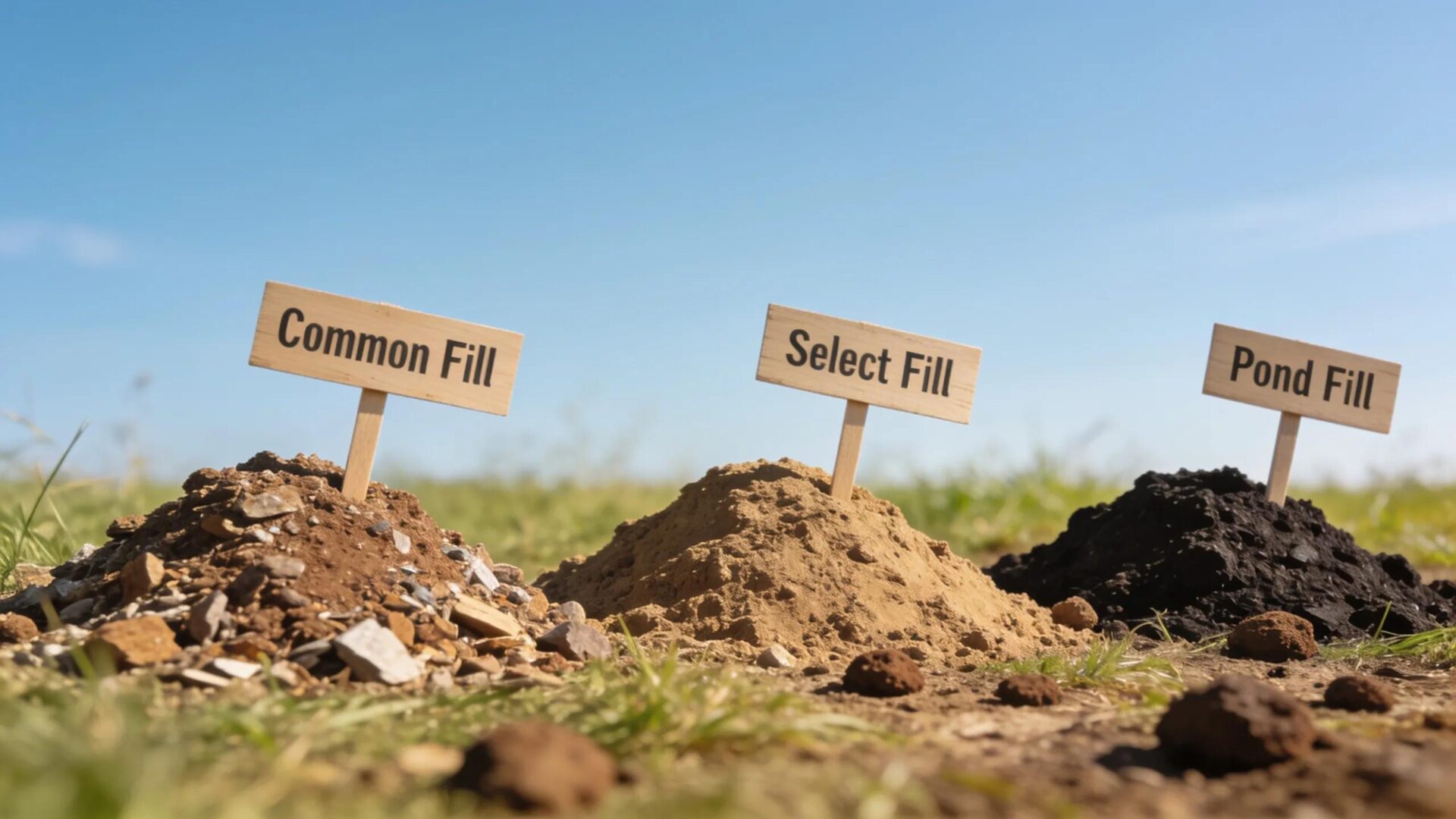
Fill dirt can vary widely in type and quality, which can significantly affect its performance in specific applications. The most common categories are:
Common Fill: Generally used for general grading and does not contain any organic material.
Select Fill: Higher quality, free from debris and excess moisture, ideal for compacting.
Pond Fill: Specifically selected for building ponds or filling in issues where compaction is paramount.
Understanding these types ensures you choose the right fill dirt for your construction needs, impacting stability, drainage, and overall project success.
How Does Fill Dirt Compare to Gravel for Construction Needs?
Fill dirt and gravel serve different purposes in construction. Fill dirt is primarily used to fill holes or raise grades of the ground. On the other hand, gravel is used for drainage and creating strong bases for pavement and other surface applications.
Ready to Order?
Call Now: 210-983-8005
Same-day delivery available on most orders in San Antonio and surrounding cities
Material Properties: Fill dirt is generally finer, whereas gravel consists of larger aggregate particles.
Application Suitability: Use fill dirt for leveling and raising ground levels, while gravel is preferred for drainage solutions.
Cost Implications: Fill dirt tends to be less expensive than gravel, but the choice depends on the project requirements.
Understanding these differences helps project managers and homeowners make informed decisions about materials according to their construction objectives.
What Quality Factors Affect Fill Dirt Performance?
Quality factors greatly influence the effectiveness of fill dirt in construction processes. Key factors include:
Material Composition: Fill dirt should consist of clean soil free from organic matter, debris, and large rocks.
Compaction: Poorly compacted fill can lead to settling and voids beneath structures, leading to stability issues.
Moisture Content: Ideal moisture levels support uniform compaction, thereby enhancing the overall performance and longevity of the fill dirt used.
Selecting fill dirt that meets quality standards is critical for ensuring that the material performs as needed over time.
Which Dump Truck Sizes and Hauling Options Suit Fill Dirt Delivery?
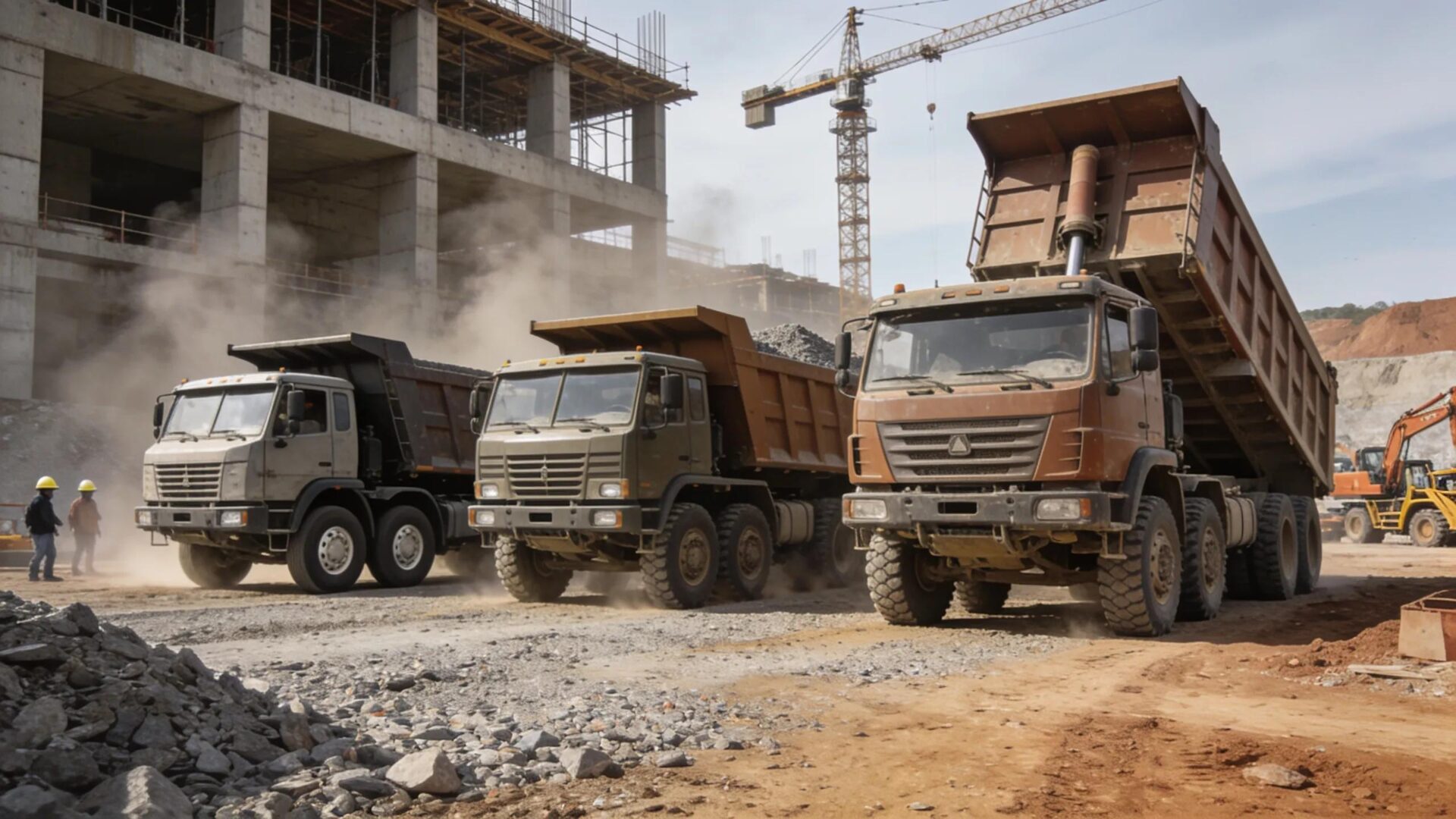
When planning for fill dirt delivery, understanding the various dump truck sizes is essential for estimating costs and logistics. Different truck sizes offer distinct capacities suited for diverse project scales.
Tandem Trucks: Typically have a capacity ranging from 10 to 16 cubic yards.
Tri-axle Trucks: Can deliver approximately 16 to 20 cubic yards.
Large Dump Trucks: Capacity can exceed 20 cubic yards, suitable for larger projects.
Selecting the proper size based on your cubic yardage needs helps prevent delivery delays and improves project efficiency.
What Are Standard Dump Truck Capacities for Fill Dirt Hauling?
Truck Type
Capacity (Cubic Yards)
Typical Use Case
Tandem Dump Truck
10-16
Residential projects
Tri-axle Dump Truck
16-20
Medium-scale construction
Large Dump Truck
20+
Large industrial projects
Using the right dump truck eliminates the need for multiple trips, thus saving both time and money in transport.
How Do Hauling Rates Vary with Truck Size and Distance?
Hauling rates for fill dirt can be influenced significantly by truck size and distance traveled. In general:
Rate Variations: Larger trucks often come at a higher flat rate but can transport more material in one trip compared to smaller trucks.
Distance Implications: Rates may increase with longer distances due to higher fuel costs and time, making it crucial to select an appropriate haul distance for your chosen truck size.
Understanding these factors enables project planners to optimize delivery logistics effectively.
How Can I Estimate Dirt Delivery Costs and Request a Quote?
Estimating dirt delivery costs involves multiple factors influencing the final price. With these steps, you can calculate and request a quote effectively:
Volume of Fill Dirt Required: Use the cubic yard calculations discussed earlier.
Local Pricing Factors: Consider nearby sourcing costs and any regional logistics.
Contact Delivery Services: Reach out directly to inquire about their rates, keeping in mind volume discounts and specific project details. Contact O’Leary Development Group for personalized service and competitive pricing.
What Factors Determine Bulk Fill Dirt Prices?
Bulk fill dirt prices can be affected by various elements:
Schedule Delivery in Minutes
Get Your Free Quote Today
Tell us your location, access, and estimated yardage — we’ll handle the rest
Volume Discounts: Ordering larger quantities usually qualifies for reduced rates.
Material Quality: Higher quality fill may come at a premium but often presents better performance.
Logistical Costs: Fuel prices and truck hire rates also contribute to the overall cost of delivery.
Understanding these factors equips you to better plan your budget for your construction project.
How Do I Request an Accurate Quote for Fill Dirt Delivery?
Requesting an accurate quote for fill dirt delivery involves a few clear steps:
Be Specific About Project Details: Provide the total volume needed and the type of fill dirt required. Visit the Materials page to select the appropriate fill dirt type for your project.
Specify Delivery Location: Mention the specific address as hauling costs can vary based on distance.
Preferred Method of Contact: Indicate whether you prefer communication through phone or email for quote follow-ups. Use the Contact page to reach the team directly.
If you’re looking for quality fill dirt and reliable hauling services, O’Leary Development Group provides an array of material delivery options tailored to your construction needs. Call (210) 983-8005 for a personalized quote that meets both your budget and project specifications.
Frequently Asked Questions
1. What are the environmental considerations when using fill dirt?
When utilizing fill dirt for construction or landscaping, environmental considerations include ensuring the material is free from contaminants and organic matter that could harm the ecosystem. Choose quality fill dirt that adheres to local regulations regarding soil types and composition. Additionally, consider how the fill dirt affects local drainage and wildlife habitats. Responsible sourcing and proper placement can help mitigate adverse environmental impacts and promote sustainable practices in construction projects.
2. What is the difference between fill dirt and topsoil?
Fill dirt is typically used to fill voids and raise land elevations, consisting mainly of subsoil without organic material, while topsoil contains organic matter and is rich in nutrients, making it ideal for growing vegetation. Fill dirt helps create a solid foundation or to level ground, whereas topsoil aids in gardening and landscaping. Understanding the distinctions between these materials ensures that you choose the right type for your project’s specific needs and objectives.
3. How can I ensure proper compaction of fill dirt?
To ensure proper compaction of fill dirt, it’s crucial to use the right equipment and techniques. Compact the fill dirt in layers, typically not exceeding 6-12 inches at a time, applying moisture to enhance compaction without making it too wet. Utilize a plate compactor or roller to achieve even density. Additionally, test the compaction using a proctor test for accurate moisture-density relationships, ensuring the fill dirt remains stable and minimizes settling over time after project completion.
4. Are there any regulations or permits required for using fill dirt?
Regulations and permits for using fill dirt can vary significantly based on location and project type. Many municipalities require permits for grading, excavation, or filling to ensure compliance with land use and environmental protection standards. It is essential to check with local zoning and building departments before commencing work. Understanding these requirements helps avoid fines and ensures project compliance with safety and environmental regulations.
5. Can fill dirt be reused from construction sites?
Yes, fill dirt can often be reused from construction sites, provided it meets quality standards for the new project. However, it must be tested to confirm it is free from contaminants and unsuitable material. Reusing fill dirt minimizes waste and reduces costs associated with new material purchases. If you plan to reuse dirt, verify local regulations and assess soil conditions to ensure it is appropriate for your intended application.
6. What factors affect the delivery time of fill dirt?
Delivery times for fill dirt can be influenced by several factors including the availability of the material, the quantity ordered, and the distance to the job site. Seasonal demands, such as weather conditions or regional construction booms, may also impact delivery schedules. Additionally, the size of the delivery truck and local traffic conditions can further affect how quickly you receive your fill dirt. Planning your project timeline with these factors in mind can help ensure a smooth delivery process.
7. How do I ensure that I get the right quantity during delivery?
To ensure you receive the correct quantity of fill dirt during delivery, it’s important to communicate clearly with your supplier about your calculated needs based on the cubic yard formula discussed earlier. Implementing a waste factor of 10-15% will help accommodate any settling or compaction. Additionally, confirm the specific size truck being used for delivery, as this can affect how much material is transported in a single trip. Inspecting the delivery upon arrival helps verify fullness and quality before accepting the load.
Fill Dirt · Gravel · Road Base · Sand · Topsoil · Asphalt Millings
Need Materials Delivered in San Antonio?
Call O’Leary Development Group for a fast quote on fill dirt, gravel, road base, sand, topsoil, or asphalt millings delivered in San Antonio.